The Constitutional Presidency
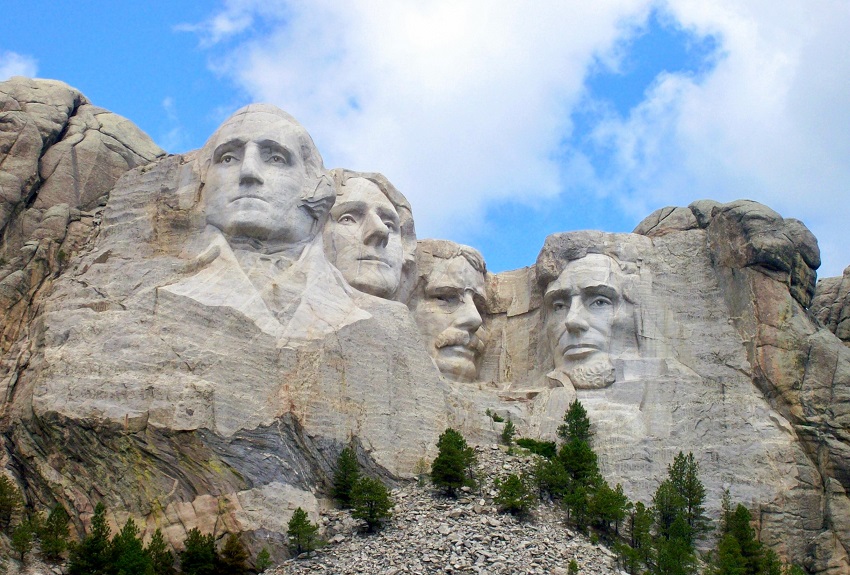
What makes a good president? With primary elections essentially over and November looming on the political horizon, this question is both too late and very timely. The same question was asked even before the creation of the executive office, and the answers proposed since that time are innumerable. Karl Rove, author and then-chief political advisor to the younger President Bush, delivered a lecture at the University of Utah in 2002 in which he identified a number of characteristics of “presidential greatness”—a clear vision with clear goals, “internal self-confidence,” and independence from opinion polls, to name a few.

Where Did Our Trust Go?
In my previous blog post, I made the argument that a free market system relies on relationships of trust in order to coordinate the abilities of producers to serve the real needs and wants of consumers. However, there is a non-trivial sense in the American public today that even if free markets don’t depend on greed, there is still something wrong with our economic system. I believe one factor that contributes to this sentiment is the fact that social trust has been declining in America.
How Nationalist Endeavors Polarize
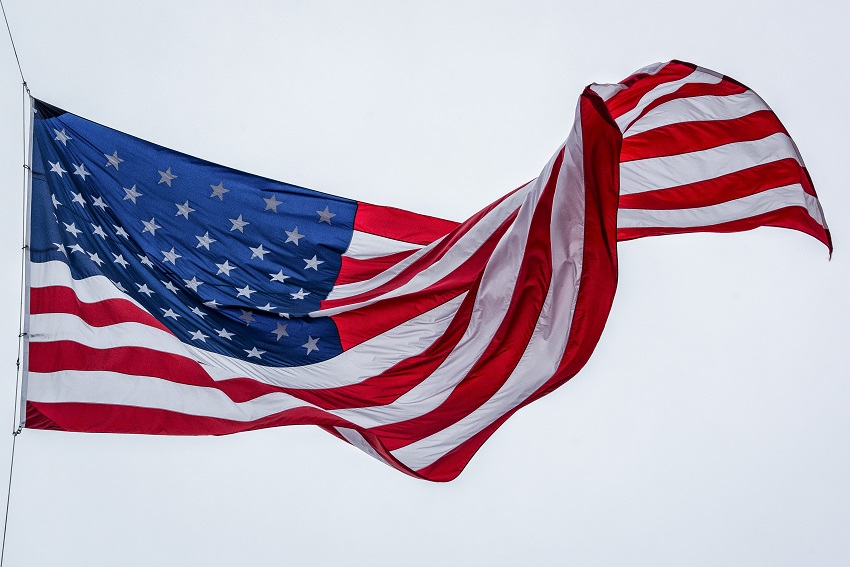
This decade has seen a sharp rise in nationalism internationally ranging from the ideological, such as President Donald Trump’s political platform, to the legally enforced as seen with Brexit. Yet, despite attempts at national unification, parallel movements of separation and disillusionment have emerged. And in response, the question has been posed about whether an exclusive and introspective foreign policy can truly unite a nation, or if it exacerbates the domestic divisions that already exist.

Fueled by Trust: Why the free-market system doesn’t depend on greed
When most people think of free markets, their first inclinations do not usually fall to their recent trip to the grocery store or to a conversation they had at the farmers market. Many instead characterize free enterprise as an engine of exploitation and inequality for the middle class and believe the system is fueled by greed. However, this caricature of free markets overlooks that the driver of free enterprise is not greed, but relationships of trust.
A Church for the “Nones”
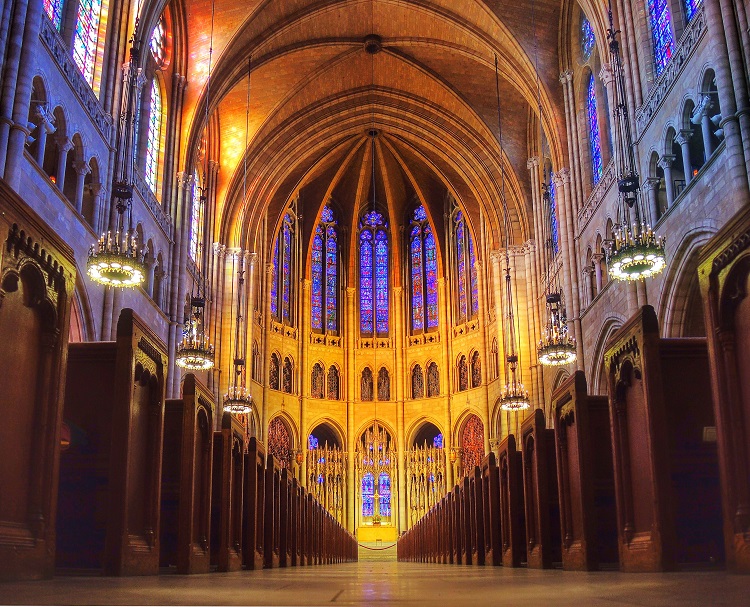
The decline of church attendance among millennials is a framing issue of the modern world, reflective of the changing structure for our society. To understand the drop in church affiliation among millennials, which is viewed as a symptom of the increasing secularization of America, most research has focused on personal barriers or the internal reasons 18- to 29-year-olds choose not to attend church. Yet the decay of the church in America is a two-sided issue.
A Third Article on Impeachment
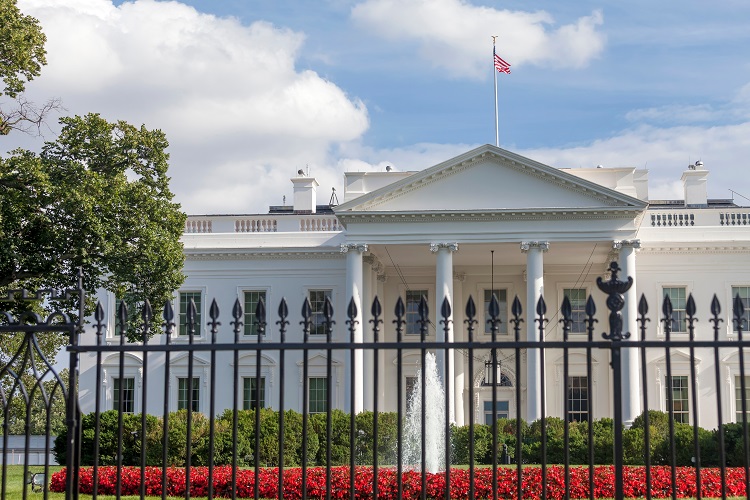
The recently concluded impeachment proceedings involving President Donald J. Trump have prompted many opinions and observations, some less valid or less accurate than others. Americans, and indeed all of humanity, display a continual willingness to believe that their own circumstances are the most extraordinary or unique in history. This accounts for the many references plastered across social media and the internet characterizing President Trump’s impeachment as the “ugliest,” “least fair,” or “most political” in United States history. Such characterizations are consistent with other political rhetoric demonizing President Trump (or President Barack Obama, during his tenure) as the “worst” or “most corrupt” president of all 45 to date.

Toil and Angst: A book review of “On the Road with Saint Augustine” by James K.A. Smith
The disarray of post-graduate life left me in existential and theological angst. Why was transitioning to working full time in a city of opportunity at my dream first job so difficult and spattered with discontentment? Why were all of my friends, also working jobs that they had long desired, in the same boat? I had read a series of books, poems, blogs, etc. to piece together a grounded theological understanding of work. But I continued to flounder in tensions without the language for why the post-graduate transition is hard, and work is hard, yet both are good.

Rehabilitation Through the Redemption of Labor
According to a prominent 2010 study, almost 20 million people in America have been convicted of a felony and a third of them have served time in prison. Thus, with such a large number of Americans that have been through the prison system, it is puzzling that there is not more discussion within the church about how to help support those affected by crime and incarceration.

Something Must Give
“When we fight you, we make sure you can’t get away.” This is the message then-revolutionary leader Mao Tse-tung wanted his enemies to hear. Yet Chiang Kai-shek, the leader of the Chinese Nationalists, found this rival of his to be a fool. A military man with rigid, formulaic strategy proven to succeed, Chaing’s forces found Mao’s scattered troops comical. And yet, we all know Mao’s name today as China’s “Great Chairman” and the founder of the great power we observe today.